ALLEGEDLY MEDIA | HEALTH & LIFESTYLE
Subtitle: From Thanksgiving feasts and Christmas celebrations to holiday cocktails and emotional eating, the statistics reveal why planning ahead for your health may be just as important as planning the holiday menu.
By M.P. Pressley
The holidays are here. But are we making room for our health, too?
For some, the holiday season officially begins when Thanksgiving approaches. For others, the excitement starts much earlier, with Christmas decorations appearing in stores, holiday music playing on the radio, and invitations to family gatherings beginning to fill the calendar.
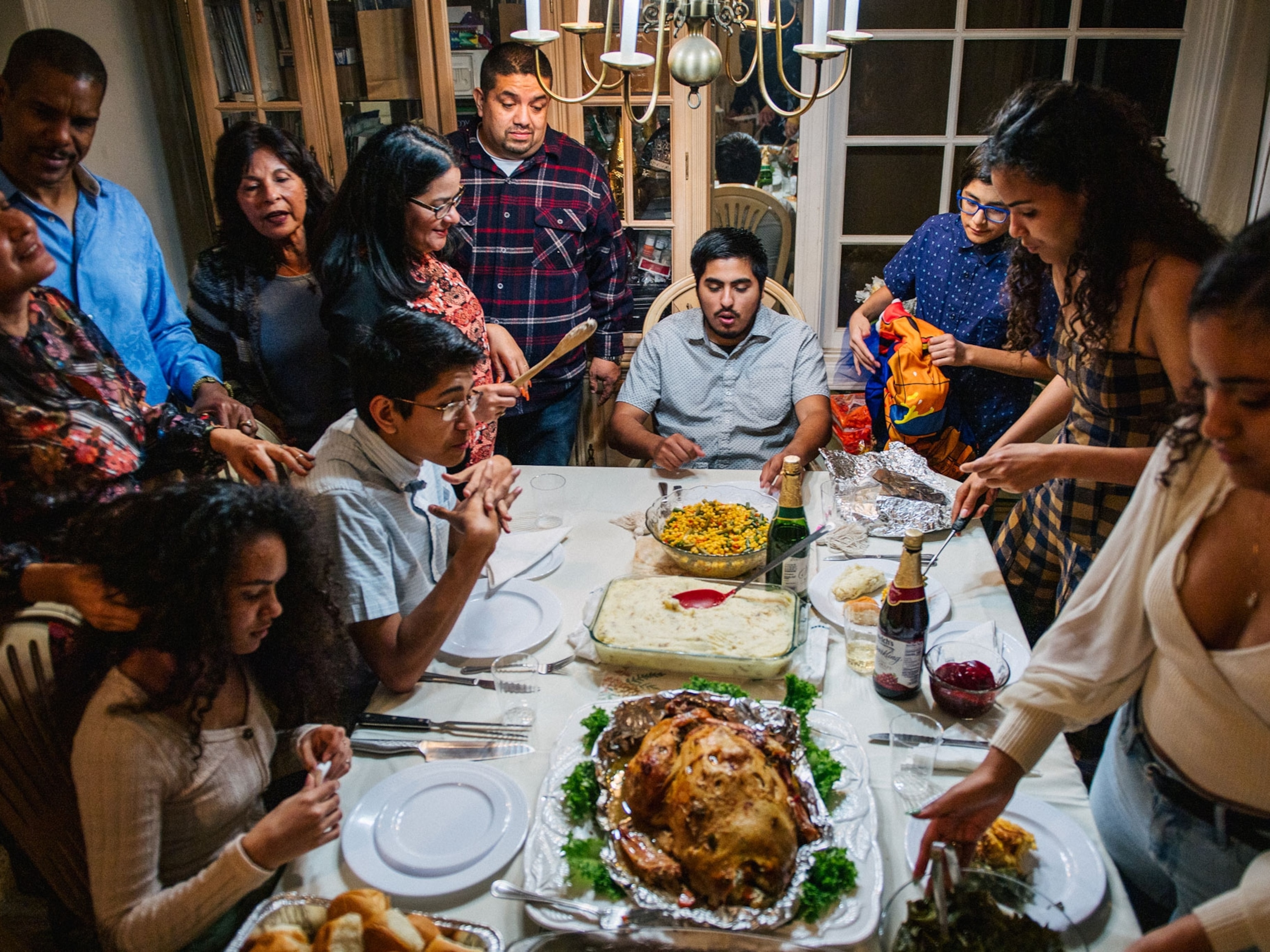
Regardless of when the season begins, there is one tradition that seems to bring people together year after year: food.
From roasted turkey, dressing, macaroni and cheese, sweet potato pie, glazed ham, collard greens, cakes, cookies, and homemade desserts to holiday cocktails and celebratory drinks, food becomes a central part of the festivities.
And let’s be honest: for many families, preparing and sharing a special meal is about more than eating. It is tradition, culture, memories, family connections, and sometimes the one opportunity everyone has to sit around the same table.
But as the celebrations approach, there is another conversation worth having.
What happens when enjoying the holidays becomes several weeks of overeating, excessive sodium consumption, increased alcohol intake, emotional eating, and putting everyday health routines on hold?
The concern is not that one Thanksgiving dinner or Christmas celebration will automatically cause someone to gain weight or develop high blood pressure. A single meal does not determine a person’s long-term health.
The bigger concern is the repeated habits that can develop throughout the season and continue long after the decorations come down.
Between holiday shopping, financial obligations, traveling, entertaining guests, family responsibilities, and managing everyday life, healthy eating can quickly become an afterthought.
For people already managing high blood pressure, diabetes, kidney disease, or cardiovascular concerns, those habits may deserve even more attention.
This year, instead of waiting until January to make a resolution, Allegedly Media is taking a closer look at the numbers, the health concerns, and the practical steps people can take now to prepare for a healthier holiday season.

The statistics: What Americans should know before the celebrations begin
Before discussing what people can do differently, it is important to understand the national health picture.
Several statistics from government health agencies and medical organizations highlight why healthy eating, alcohol awareness, and stress management deserve attention.
High blood pressure — According to the Centers for Disease Control and Prevention (CDC), nearly half of U.S. adults have high blood pressure. The CDC’s June 2, 2026, report identifies: 48.1% of U.S. adults, approximately 119.9 million people, have high blood pressure. High blood pressure was a primary or contributing cause of 680,179 deaths in the United States in 2024. Only approximately 22.5% of adults with high blood pressure had their condition under control. CDC, 2026
Sodium consumption — The American Heart Association reports that Americans consume more than 3,100 milligrams of sodium daily on average. Its recommendation is no more than 2,300 milligrams daily, with an ideal limit of no more than 1,500 milligrams for most adults. More than 70% of the sodium Americans consume comes from packaged, prepared, and restaurant foods. American Heart Association
Alcohol consumption — According to the 2024 National Survey on Drug Use and Health, approximately 57 million American adults ages 18 and older reported binge drinking during the previous month. This is a national measurement, not holiday-specific. NIAAA, 2024 NSDUH data
Holiday stress and eating habits — The American Psychological Association’s 2024 survey: among respondents experiencing holiday stress, 19% reported changing their eating habits including overeating or restricting food; 18% reported relying on substances including alcohol, nicotine, or other substances; 22% reported isolating themselves. APA, December 2024
These statistics are not evidence that holiday meals directly cause hypertension, obesity, or alcohol misuse. They provide a broader picture of health concerns worth considering.
High blood pressure: Is your holiday menu adding more sodium than you realize?
One of the first areas worth examining is sodium consumption. High blood pressure, also known as hypertension, is a condition in which the force of blood against artery walls remains elevated. Over time, uncontrolled hypertension increases the risk of serious complications, including heart disease and stroke. One challenge is that many people may have elevated blood pressure without experiencing noticeable symptoms. That means someone can feel perfectly fine while still having a condition that requires attention. During the holiday season, sodium can become particularly important because many traditional dishes and convenience foods contain substantial amounts. Think about the typical holiday menu: smoked turkey, ham, dressing prepared with seasoned broth, canned vegetables, packaged seasoning mixes, gravy, macaroni and cheese, prepared sauces, and store-bought desserts. Individually, some of these foods may not seem like a major concern. However, combining multiple high-sodium dishes in one meal can make it easier to exceed recommended daily amounts.
The sodium connection
Sodium is an essential mineral that helps the body regulate fluid balance and supports normal nerve and muscle function. However, consuming too much sodium can cause the body to retain more water and contribute to increased blood pressure, particularly among people who are sensitive to sodium. The American Heart Association recommends limiting sodium to no more than 2,300 milligrams daily, ideal goal no more than 1,500 milligrams daily for most adults. Reducing sodium does not necessarily mean eliminating flavor.
How to make traditional holiday meals more heart-conscious
- Choose lower-sodium broth for dressing, gravy, and soups.
- Read seasoning labels — some blends contain significant sodium.
- Use fresh herbs and spices: garlic, onion, rosemary, thyme, black pepper, paprika, lemon.
- Pay attention to processed meats: ham, smoked meats, bacon, prepared turkey.
- Compare canned vegetables: no-salt-added or lower-sodium; rinsing may reduce sodium.
- Serve sauces separately so guests control portions.
- Balance the plate with fresh vegetables, fruit, and minimally processed foods.
People with kidney disease, high blood pressure, or other conditions should follow their healthcare professional’s dietary recommendations. Some salt substitutes contain potassium, which may not be appropriate for everyone. The objective is not to change every family recipe overnight. It is to become more aware of what goes into the food being served.
Holiday weight gain: Is it really as common as people think?
Every year, people promise: enjoy the holidays now and worry about the weight later. A frequently repeated claim suggests the average American gains five to ten pounds between Thanksgiving and New Year’s Day. However, research does not support that figure as typical. A study in the New England Journal of Medicine (March 23, 2000) examined 195 adults and found an average gain of approximately 0.37 kilograms, or 0.8 pounds, during the holiday period, and the average gain was not fully reversed in following months. The study had limitations (convenience sample, many NIH workers) and is not a national estimate. Yanovski et al., NEJM, 2000
The bigger concern is what happens between the celebrations
Monday may involve leftover dessert. Tuesday an office celebration. Wednesday dinner with relatives. Thursday Thanksgiving. Friday shopping and restaurants. Saturday another gathering, Sunday leftovers. Habits that may contribute: larger portions; frequent desserts and sweetened beverages; grazing; eating when not hungry; skipping meals before celebrations; alcohol calories; reduced activity; insufficient sleep. The solution is not to avoid every celebration or feel guilty. Recognize the season lasts several weeks and consistent habits beat a January correction.
Emotional eating: When the holidays bring more than hunger
Food has a powerful emotional connection. A familiar recipe may remind someone of a grandparent. But food can also become a way to cope with difficult emotions: financial pressure, grief, loneliness, family disagreements, relationship challenges, and perfection expectations. The APA 2024 holiday stress survey: 19% changed eating habits including overindulging or restricting; 18% relied on substances to feel better. These findings do not mean everyone who enjoys holiday food is emotionally eating.
Recognizing emotional hunger
Physical hunger develops gradually with signs like an empty stomach. Emotional eating may follow a stressful call, argument, or difficult day, with a sudden craving for a particular food. Questions: Am I physically hungry, or trying to change how I feel? Am I eating because I need a meal or because I am overwhelmed? Have I been skipping meals? Is food my main way of coping? No need to judge yourself — the goal is recognizing patterns.
Healthier ways to manage holiday stress
Take a walk, talk with someone you trust, listen to music, establish boundaries, make time to relax. You do not have to attend every gathering or take responsibility for every obligation. If emotional eating becomes persistent or distressing, speaking with a qualified mental-health professional may help.
Alcohol consumption: The holiday conversation we should not overlook
Holiday parties, family gatherings, office celebrations, football games, and New Year’s Eve can make drinking more frequent. The NIAAA has addressed holiday celebrations and drinking, noting seasonal responsibilities and emotional pressures. National numbers: 57 million adults reported binge drinking in the previous month (2024 NSDUH) — national, not holiday-specific.
What is binge drinking?
NIAAA defines binge drinking as a pattern bringing blood alcohol concentration to 0.08% or higher — typically four or more standard drinks for women, five or more for men, within about two hours. Heavy drinking: women four or more drinks on any day or eight or more per week; men five or more on any day or 15 or more per week. These are public-health definitions, not recommended limits.
Do you know what counts as one drink?
One standard drink contains about 14 grams of pure alcohol: 12 ounces regular beer (~5%), 5 ounces wine (~12%), 1.5 ounces distilled spirits (~40%). A large glass of wine or oversized cocktail may contain more than one standard drink.
Alcohol and blood pressure: What is the connection?
The 2025 ACC/AHA high blood pressure guidelines identify alcohol reduction as an important lifestyle intervention, recommending adults who drink consider abstinence or reducing to no more than one drink daily for women and two for men, with abstinence the optimal goal. The CDC estimates excessive alcohol use contributes to approximately 178,000 deaths annually in the U.S. (population-wide, not holiday-specific). Drinking less reduces risk; people who do not drink should not start for health reasons.
Enjoying celebrations without making alcohol the center of the event
Decide in advance whether to drink; offer sparkling/flavored water and alcohol-free beverages; do not use alcohol as your primary stress management; do not pressure guests; arrange transportation; never drive after drinking; avoid mixing alcohol with medications unless a healthcare professional confirms safety. People who are pregnant, taking certain medications, managing specific conditions, or recovering from alcohol use disorder may need to avoid alcohol altogether.

Stress, sleep, and physical activity: The habits that can make a difference
Healthy eating is only one part of wellness. During the holidays people stay up later, travel more, and become less active. The CDC recommends adults work toward at least 150 minutes of moderate-intensity physical activity each week, plus muscle-strengthening activities on at least two days per week. Walking, dancing, gardening, taking the stairs, and family activities all count. Most adults need at least seven hours of sleep each night. Do not treat sleep and exercise as things that can wait until January.
The Allegedly Media holiday preparation guide: Seven ways to get ahead
1. Plan your meals before going grocery shopping
Create a list including fresh vegetables, fruits, whole grains, lean proteins, lower-sodium options, nutritious snacks, and ingredients for traditional dishes. Cover everyday meals too, to reduce reliance on fast food and takeout.
2. Do not skip meals to save room for dinner
Arriving extremely hungry makes it harder to recognize fullness. Maintain regular meals and consider a balanced snack before a gathering.

3. Build a balanced holiday plate
Fill a substantial portion of your plate with vegetables and fruit; include a protein such as turkey, chicken, fish, or beans; include a reasonable portion of favorite starches; enjoy traditional favorites without sampling everything; eat slowly and allow time to recognize fullness. People with specific medical or dietary needs may require a different approach.
4. Prepare healthier versions of familiar favorites
Roast vegetables, use lower-sodium broth, incorporate fresh herbs, offer fruit alongside desserts, provide unsweetened beverages. You do not have to eliminate traditional foods — create additional choices.
5. Keep nutritious snacks available
Fruit, unsalted nuts, yogurt, vegetables, and other nutritious snacks make it easier to avoid repeatedly reaching for leftover desserts, chips, and candy.
6. Establish a realistic movement routine
Start now: a 20- to 30-minute walk, a short home workout, or a family activity. If you miss a day, resume the next. Consistency beats compensating with excessive exercise.
7. Make a plan for leftovers
Prepare reasonable portions, refrigerate promptly, freeze what you will not eat soon. USDA: refrigerate perishable leftovers within two hours (one hour above 90°F); use refrigerated cooked leftovers within three to four days.
Your holiday health checklist
Before Thanksgiving: check your blood pressure; review your grocery list for lower-sodium alternatives; plan regular meals; establish a realistic food and beverage budget; decide your approach to alcohol; schedule walking, exercise, and sleep; make time for yourself. During the holidays: eat slowly and notice fullness; enjoy favorites without overeating; keep water available; include vegetables and fruit; avoid using food or alcohol as your primary stress strategy; continue prescribed medications; return to your regular routine after celebrations rather than waiting until January.
When should you pay closer attention to your health?
People managing high blood pressure, diabetes, kidney disease, or heart disease should keep their usual routines and medication schedules. Consider a routine checkup if you have not had your blood pressure checked recently. 2025 AHA/ACC categories: Normal below 120/80; Elevated systolic 120–129 and diastolic below 80; Stage 1 systolic 130–139 or diastolic 80–89; Stage 2 systolic 140+ or diastolic 90+. A single elevated reading does not establish a diagnosis. Chest pain, difficulty breathing, sudden weakness, facial drooping, or difficulty speaking require immediate attention — call 911.
The holidays are meant to be enjoyed. Just don’t leave your health out of the celebration.
Food connects generations, preserves traditions, and creates memories. No one should feel that a healthy lifestyle means giving up every dish they look forward to. Instead of waiting until January for a resolution, begin healthier decisions now. Instead of waiting for the scale to change, watch portions and habits. Instead of waiting for a doctor to flag blood pressure, make routine checks part of your plan. Instead of letting stress determine what you eat or drink, establish boundaries. Instead of postponing exercise until after New Year’s Eve, stay active through the season. The statistics tell us high blood pressure, excessive sodium, alcohol misuse, and holiday stress are important public-health concerns — and that awareness and preparation matter. You do not have to choose between enjoying the holidays and taking care of yourself. This year, make your health part of the holiday tradition. The holiday table is calling. Make sure your health is ready to answer.
References
- Centers for Disease Control and Prevention (2026). High Blood Pressure Facts. https://www.cdc.gov/high-blood-pressure/data-research/facts-stats/
- American Heart Association. How Much Sodium Should I Eat Per Day? https://www.heart.org/en/healthy-living/healthy-eating/eat-smart/sodium/how-much-sodium-should-i-eat-per-day
- Substance Abuse and Mental Health Services Administration (2025). Results from the 2024 National Survey on Drug Use and Health. https://www.samhsa.gov/data/sites/default/files/reports/rpt56287/2024-nsduh-annual-national/2024-nsduh-annual-national.htm
- National Institute on Alcohol Abuse and Alcoholism. Alcohol Use in the United States. https://www.niaaa.nih.gov/alcohols-effects-health/alcohol-topics-z/alcohol-facts-statistics/alcohol-use-united-states-age-groups-and-demographic-characteristics
- National Institute on Alcohol Abuse and Alcoholism. Alcohol Drinking Patterns. https://www.niaaa.nih.gov/alcohols-effects-health/alcohol-drinking-patterns
- American Psychological Association (2024). Stress, Politics, and the Holidays: A Post-election Survey. https://www.apa.org/pubs/reports/stress-in-america/2024/postelection-survey
- American College of Cardiology and American Heart Association (2025). Guideline for the Prevention, Detection, Evaluation and Management of High Blood Pressure in Adults. https://doi.org/10.1161/CIR.0000000000001356
- Yanovski, J. A., et al. (2000). A Prospective Study of Holiday Weight Gain. New England Journal of Medicine, 342, 861–867. https://pubmed.ncbi.nlm.nih.gov/10727591/
- Centers for Disease Control and Prevention. Adult Activity: An Overview. https://www.cdc.gov/physical-activity-basics/guidelines/adults.html
- U.S. Department of Agriculture, Food Safety and Inspection Service. Leftovers and Food Safety. https://www.fsis.usda.gov/food-safety/safe-food-handling-and-preparation/food-safety-basics/leftovers-and-food-safety
Health and editorial disclaimer: This article is intended for general educational and informational purposes. It is not a substitute for medical diagnosis, treatment, or individualized nutritional advice. Readers with hypertension, diabetes, kidney disease, cardiovascular conditions, or other medical concerns should consult a qualified healthcare professional before making significant dietary or lifestyle changes.
ALLEGEDLY MEDIA — Stories That Matter. Information That Empowers.

Leave a Reply